
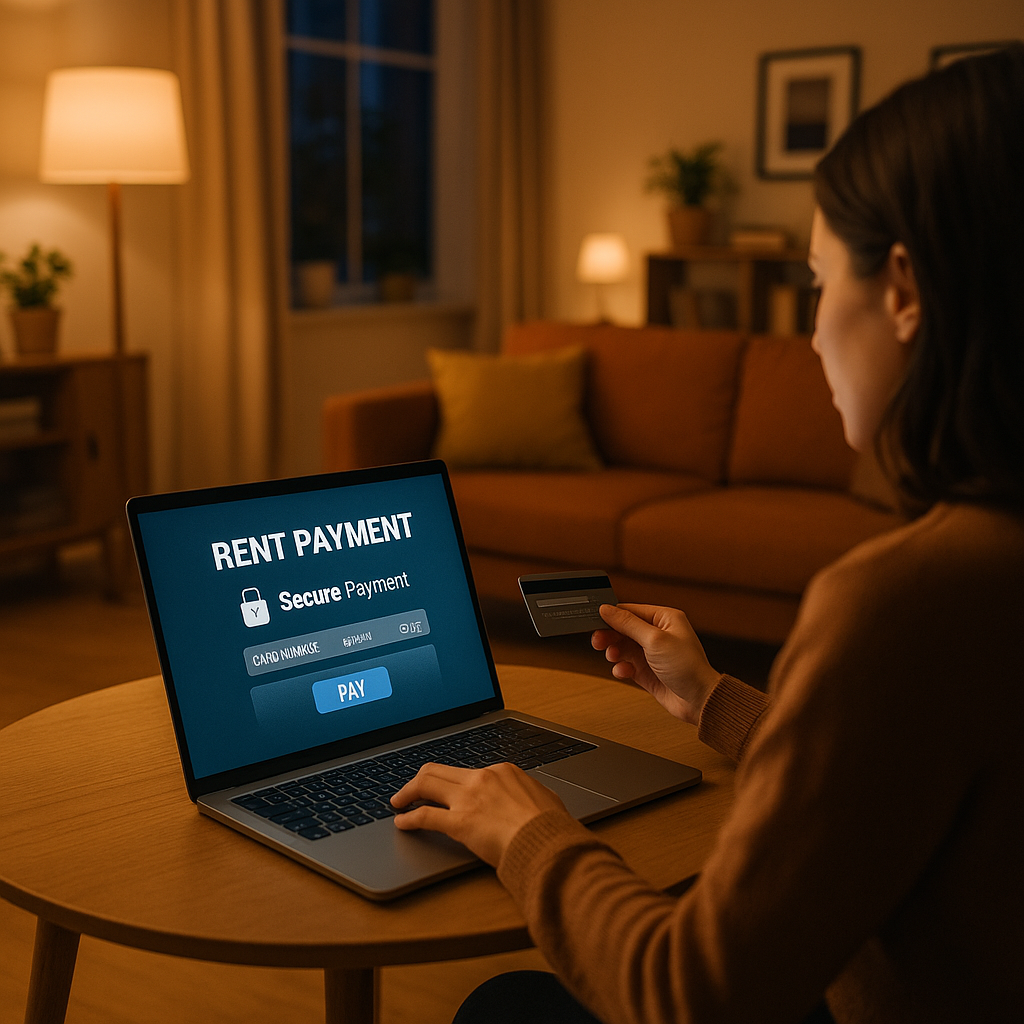
The landscape of rental housing in Canada is experiencing a technology-driven revolution. digital rent payment solutions are transforming the way tenants and landlords interact, eliminating friction in monthly transactions and introducing new opportunities for financial security and relationship building. As more Canadians seek easier, faster, and safer ways to pay rent online, understanding these advancements is essential for both sides of the lease.
Introduction
The landscape of rental housing in Canada is experiencing a technology-driven revolution. Digital rent payment solutions are transforming the way tenants and landlords interact, eliminating friction in monthly transactions and introducing new opportunities for financial security and relationship building. As more Canadians seek easier, faster, and safer ways to pay rent online, understanding these advancements is essential for both sides of the lease. This in-depth guide explores the core benefits, best practices, compliance nuances, and the evolving marketplace for digital rent payment in Canada, empowering both tenants and property owners to thrive.
The Digital Shift: Why Pay Rent Online in Canada?
Rent payment is no longer just a monthly obligation: it's a gateway to convenience, security, and financial growth. Traditional rent methods like cash, paper cheques, or money orders have long been fraught with delays, security risks, and administrative headaches. Digital rent payment platforms solve these issues, offering significant advantages for everyone involved. Leading Canadian platforms such as TenantPay, alongside other solutions, have set a new standard by tailoring their features and compliance strategies to the realities of the Canadian real estate and financial landscape. Tenants and landlords now enjoy the peace of mind that comes with secure, efficient, and easily trackable transactions, whether in Toronto, Vancouver, Montreal, or beyond.
- Convenience: Pay or collect rent from anywhere, anytime.
- Speed: Instant transfers and automated payment cycles.
- Transparency: Clear records and real-time receipts for every transaction.
- Security: Advanced encryption, fraud protection, and digital audit trails.
Digital Rent Payment: How Does It Work?
At its core, digital rent payment involves online platforms acting as facilitators between tenants and landlords. Instead of relying on cheques or cash, tenants log in to a dedicated landlord-tenant portal: a secure, password-protected environment. The process is designed for simplicity and efficiency. Tenants register their profiles, link their preferred payment methods like bank accounts or credit cards, and input basic lease details.
From there, automated rent schedules are programmed to align with the lease agreement, triggering payments on the due date. Both parties receive real-time notifications, with tenants getting confirmation alerts upon payment and landlords receiving instant deposit updates. Crucially, every transaction is logged digitally, giving both parties access to a comprehensive ledger with payment history, receipts, and even tools for dispute resolution.
Key Benefits for Tenants: Empowering the Renter
For tenants, the move to digital rent payment is about more than just replacing an outdated process with an online form. The best solutions offer layers of empowerment, convenience, and long-term financial uplift. The ability to pay rent anytime from a mobile phone or computer eliminates the stress of last-minute bank runs. Modern platforms also employ robust encryption and fraud prevention, reducing the risks associated with lost cash or cheque fraud, while digital audit trails provide instant proof of payment.
Furthermore, some of Canada’s top rent payment solutions now include valuable credit-building features. By automatically reporting on-time rent payments to major credit bureaus, tenants can strengthen their credit profiles, a crucial step for securing future financing. To complete the package, integrated programs like rent rewards offer loyalty points or cash-back offers, turning a recurring expense into a strategic financial asset.
Key Benefits for Landlords: Modernizing Property Management
Modern landlords are turning to online rent payment systems not just for efficiency, but as a way to professionalize their operations and foster more positive tenant relationships. Automated rent collection eliminates the need for in-person visits or manual cheque processing, saving hours each month and letting property managers focus on more important tasks. With recurring payments, the risk of delayed or missed rent declines sharply, and real-time notifications mean landlords can act quickly on any issues.
These platforms also provide automatic digital ledgers, ensuring landlords have access to accurate, retrievable financial records, which is critical during tax season or for resolving disputes. By offering simplified payment options and value-added features, landlords can improve tenant satisfaction, lower turnover costs, and support long-term profitability. This streamlined approach not only reduces administrative burdens but also enhances security by minimizing the risks associated with handling cash or paper cheques.
Digital Payment Methods: Comparing the Options
One of the most important decisions for both tenants and landlords is selecting the best payment method, as each has unique features and costs. While cash might seem fast, it exposes both parties to safety risks and lacks a reliable paper trail. In contrast, online rent payments offer digital receipts, automatic audit trails, and enhanced security. When it comes to digital methods, Automated Clearing House (ACH) or e-transfers are popular for their low fees, transferring funds directly between bank accounts.
However, paying rent by credit card offers tenants greater flexibility and the chance to earn reward points, though it often comes with higher processing fees of 1.5%–3%. The choice often depends on priorities: some may prefer the low cost of ACH, while others value the rewards and flexibility of credit cards. A detailed look at the pros and cons of paying rent with a credit card can help both parties make an informed decision.
The Technology Behind Secure, Efficient Payments
For both landlords and tenants, security is paramount. Leading rent payment platforms are built on a foundation of trust and protection, using a multi-layered approach to safeguard sensitive information. This includes employing bank-grade encryption to protect personal and banking data from unauthorized access. Every transaction generates a verifiable digital receipt, which supports legal compliance and provides clear proof of payment.
To further secure user accounts, multi-factor authentication is a standard feature, reducing the risk of unauthorized logins. Behind the scenes, these systems use automated detection algorithms to flag suspicious transactions and minimize fraud. Finally, comprehensive audit trails ensure that every step of the payment process is logged, creating a transparent and reliable record for dispute resolution.
How Digital Rent Payments Enhance Compliance in Canada
Canada’s regulatory environment for rental housing is governed provincially, with strict standards for privacy, transparency, and rent deposit management. Digital payment platforms tailored for the Canadian market are designed to align with these laws, offering significant compliance advantages.
These platforms adjust receipts and payment rules based on the user's region, incorporating specific requirements for digital rent receipts and deposit acknowledgments, ensuring adherence to provincial law compliance. Secure data storage ensures sensitive information is protected and only accessible to authorized users.
It is important to remember that tenants cannot be forced to pay digitally unless specified in the lease, preserving their choice while giving digital adopters additional perks, in line with Canadian tenant rights. This commitment to detailed documentation satisfies legal requirements and reduces risk for both landlords and tenants.
Setting Up Online Rent Payments: Steps for Success
Getting started with digital rent payment is simpler than ever. The first step is to choose the right platform, one that is secure, Canadian-compliant, and fits your specific needs and budget. Once a platform is selected, both landlords and tenants create their profiles, providing essential contact and lease information. Next, users configure their payment options by linking bank accounts or credit cards and setting up the payment schedule with amounts and reminders.
To ensure clarity and accountability, both parties should review and agree to the digital terms, which establish clear policies for payment timing, late fees, and other key conditions. Finally, with everything in place, the system can be set to automate recurring payments and send instant alerts, allowing users to monitor their transactions and maintain a stable, compliant rent collection routine.
Practical Advantages of Digital Solutions
The shared value of these platforms is clear, as both parties benefit from a modernized and streamlined process. The most compelling advantages include instant payment confirmation, significant time savings by eliminating manual collections, and full financial transparency for better budgeting and accounting. Additionally, features like automated late fees and reminders help reduce delinquencies, while seamless integration with property management software is a major benefit for those managing large portfolios.
Ultimately, these tools improve tenant satisfaction by offering a modern, convenient experience and provide compliance-ready records for any audits or legal proceedings that may arise.
Addressing Common Concerns: Fees, Flexibility, and Support
Many tenants and landlords understandably have questions about the costs and logistical trade-offs of digital rent payment. Most platforms are transparent about their processing costs. ACH or e-transfer payments typically have very low fees, while credit card transactions can be pricier, often ranging from 1-3%. Leading services explain all charges upfront, and many landlords choose to absorb these fees as a business expense to encourage tenant adoption.
In terms of flexibility, tenants are often free to select their preferred payment method and can pause or reschedule payments if their circumstances change. Furthermore, quality platforms provide robust support, including bilingual help documentation and dispute resolution mechanisms, ensuring users always have assistance when they need it.
- Immediate Benefits for Tenants:
- 24/7 payment options from any device.
- Instant digital receipts for every transaction.
- Opportunities for credit-building and rent rewards.
- Elimination of lost cheques and manual errors.
- Operational Value for Landlords:
- Automated rent payments and collection with real-time notifications.
- Full digital record-keeping for tax and legal needs.
- Stronger tenant relationships through enhanced transparency.
- Lower delinquency rates thanks to automated reminders.
Unlocking the Future: The Rise of Rent Rewards and Financial Inclusion
Innovative platforms are reimagining the landlord-tenant relationship, moving it beyond a simple transaction toward an opportunity for mutual prosperity and financial inclusion. Rent reporting to credit bureaus is a key feature, allowing tenants to build credit while landlords enjoy more reliable payment histories. This creates a cycle of increasing trust and financial stability.
Additionally, loyalty programs and cash-back incentives turn on-time rent payments into a rewarding financial habit. As technology advances, smart integration with broader property management, insurance, and financial planning services will offer even more value. Thought leaders in the PropTech space are at the forefront of this evolution, ensuring the modern Canadian rental market is defined by transparency, fairness, and empowerment for everyone involved.
Conclusion
Digital rent payment is more than a trend: it is an ongoing transformation of the rental experience in Canada. Tenants are empowered with unmatched convenience, security, and improved financial outcomes.
Landlords can operate more efficiently, maintain compliance with ease, and nurture lasting tenant relationships. As the market continues to evolve, embracing a reliable online rent payment system becomes not just a smart choice, but an essential one for success in Canadian real estate.
Simplify rent collection and payment with TenantPay.
Join thousands of Canadians using secure, automated rent payments that save time, reduce stress, and keep you fully compliant.
Frequently Asked Questions (FAQs)
1. How do tenants pay rent online?
Tenants log into a secure digital platform, link their bank account or card, and make one-time or recurring payments, receiving instant digital receipts for each transaction.
2. What is the best online rent payment solution in Canada?
The best solution depends on your needs, but top choices like TenantPay, Chexy, and RentMoola are popular for their Canada-specific compliance, security, and features like rewards and credit reporting.
3. How can landlords collect rent digitally?
Landlords sign up for a digital payment platform, onboard their tenants, and set up automated rent schedules. The rent is then deposited directly into their account and tracked digitally for compliance.
4. Can tenants pay rent by credit card in Canada?
Yes, most platforms allow tenants to pay rent by credit card, offering flexibility and rewards, though these payments usually carry higher processing fees.
5. Is online rent payment safe?
Yes, reputable platforms use bank-grade encryption, multi-factor authentication, and digital receipts to ensure every transaction is secure and protected from fraud.
6. Why should I pay rent online?
Paying rent online offers convenience, robust security, instant receipts, and unique opportunities for tenants to build their credit history and earn rewards on their payments.
7. How does digital rent payment work?
These platforms automate everything from scheduling and processing to notifications and record-keeping. Tenants make payments electronically, and landlords receive deposits and digital records automatically.
8. What are the responsibilities for digital rent payments?
Tenants must ensure timely payment through their chosen method, while landlords are responsible for providing a secure system, issuing receipts, and maintaining compliance with local laws.
9. How do I set up online rent payments?
Both landlords and tenants need to register on a digital platform, link their preferred payment sources, and configure a recurring schedule and notifications to get started.
10. What fees are involved in online rent payments?
Processing fees vary by method. ACH/e-transfer options are typically low-cost, whereas credit cards have higher fees. All charges are explained by the platform upfront.