
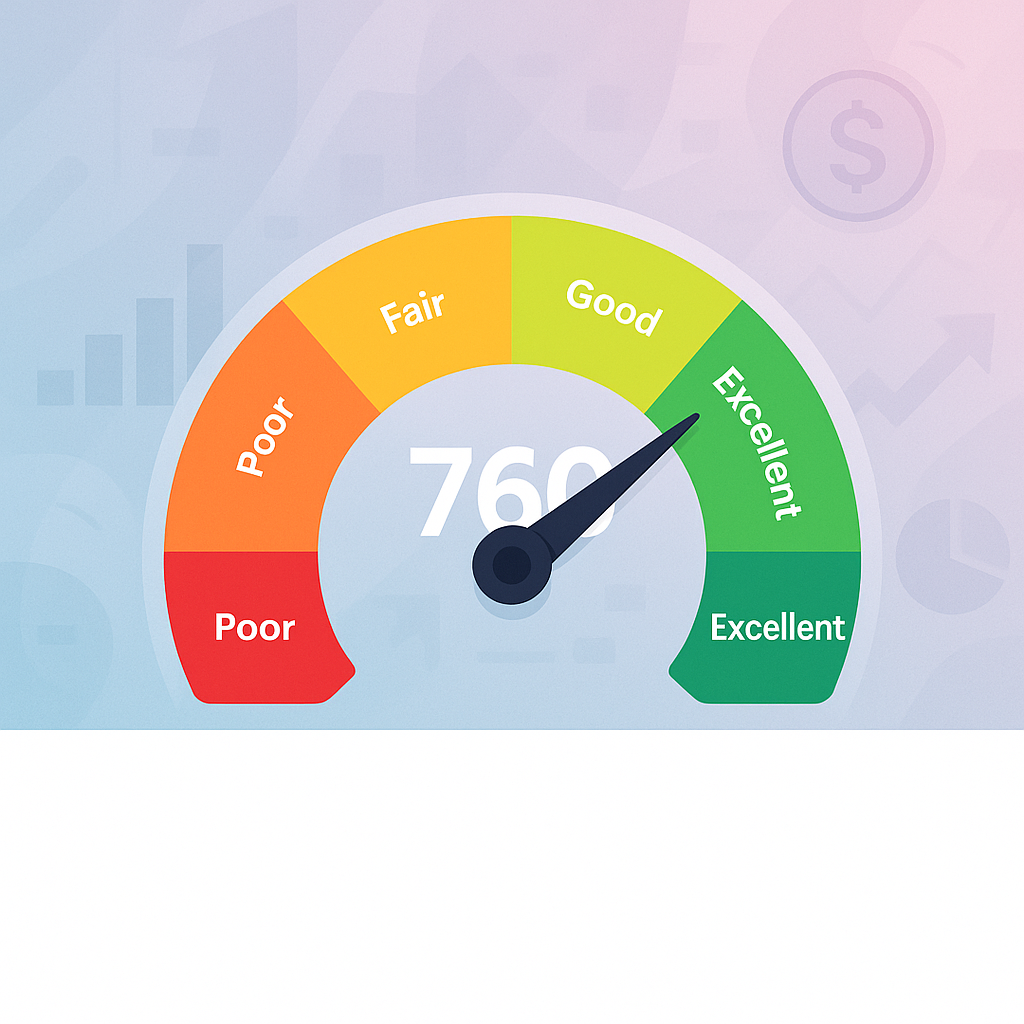
Building credit in Canada is one of the most significant financial steps a person can take, yet the process remains a mystery for many, especially those new to the country, young adults, or individuals recovering from financial difficulties. Your credit score is a powerful number that influences everything from mortgage approvals and loan interest rates to the ability to tenants to rent an apartment. For property managers and landlords, a tenant with a strong credit history is a reliable tenant. Understanding the fundamentals of credit is therefore essential for financial stability and access to better financial products. Fortunately, with a clear strategy and the right tools, establishing a robust credit profile in Canada is more achievable than ever in 2026.
Introduction
Before exploring specific strategies, it is crucial to understand what credit building entails and its importance within the Canadian financial landscape. Your credit score is a three-digit number that summarizes your creditworthiness, and it is calculated by Canada’s two main credit reporting agencies: Equifax and TransUnion. These scores range from 300 to 900, with a higher number signaling lower risk to lenders. A strong score, typically 700 or above, can unlock significant savings through better interest rates on mortgages, car loans, and other credit products.
The Canadian credit system heavily weights consistent, responsible payment behavior over time, making it different from systems in other countries that might consider alternative data. This means that individuals with no borrowing history must actively build credit. The primary factors evaluated by credit bureaus like TransUnion and Equifax include payment history, how much you owe relative to your limits, the length of your credit history, the types of credit you use, and recent credit inquiries.
Secured Credit Cards: The Fastest Way to Start
For those looking to establish or rebuild credit, a secured credit card is one of the most effective tools available in Canada. Unlike traditional unsecured cards, which are granted based on creditworthiness, a secured card requires a security deposit that typically doubles as your credit limit. This deposit, often ranging from $50 to $2,500, minimizes the risk for the issuer, making these cards accessible to individuals with limited or poor credit history.
As you use the card and make timely payments, the issuer reports this activity to the major credit bureaus, allowing you to build a positive payment history. Secured cards are genuine credit products that build real history, unlike prepaid cards, and many Canadian issuers offer a "graduation" path to an unsecured card after 6 to 18 months of responsible use. Some even offer rewards, enabling you to earn cashback while strengthening your financial profile.
Best Credit-Building Cards in Canada
Several Canadian card options can help you start or accelerate your credit journey in 2026. Below are notable picks and how they work.
Secured Neo Mastercard: Rewards and Accessibility
The Secured Neo Mastercard has emerged as a notable credit-building tool in Canada, blending the security of a deposit-backed card with a rewards program often found on premium cards. It offers guaranteed approval with a minimum $50 security deposit and no annual fee, though a monthly fee of $7.99 applies. Except in Quebec, no credit check is required, making it highly accessible.
What sets Neo apart is its rewards structure, which provides an average of 5% cashback through partnerships with thousands of retailers. An instant virtual card allows you to begin using the account and building credit immediately, and its app offers transparent tracking of how your payment habits affect your credit score.
Capital One Secured Mastercard: Simplicity and Transparency
The Capital One Secured Mastercard provides a more straightforward, no-frills approach to credit building. It requires a security deposit of either $75 or $300, and it comes with a low annual fee. Capital One is well-regarded for its clear terms and a transparent graduation path to an unsecured card, which many users achieve within 12 to 18 months of consistent on-time payments. Its strength lies in its established brand and well-defined process for helping users transition from secured to unsecured credit products.
Home Trust Secured Visa: A Traditional Approach
The Home Trust Secured Visa Card follows a more traditional model, requiring a higher minimum security deposit of $500. Although Home Trust conducts a credit check, it approves most applicants, even those with low scores. Cardholders can choose between a no-annual-fee option and a $59 annual fee tier. From a user's perspective, it functions just like a standard unsecured Visa, which helps in building a credit score efficiently with Canada's major credit bureaus. This card is often appealing to those who are rehabilitating their credit or prefer the stability of a well-established financial institution.
KOHO Prepaid Mastercard and Credit Building
The KOHO Prepaid Mastercard takes a unique dual-purpose approach. While the prepaid card itself does not build credit, its optional Credit Building feature does. For a monthly fee, KOHO provides a $225 secured line of credit that reports your payment activity to Equifax, helping you establish a credit history. This hybrid model is ideal for users who want the spending control of a prepaid card while simultaneously working to build their credit score. The prepaid card is free if you set up a direct deposit to the account; otherwise, monthly fees range from $4 to $14.75 depending on the selected tier.
Build Credit Beyond Credit Cards
While credit-building cards are a foundational tool, several other strategies can complement and accelerate your progress. A comprehensive plan often involves a mix of different approaches tailored to your financial situation. Creating a well-rounded credit profile shows lenders that you can manage various types of financial responsibilities, which is a key component of a healthy score.
- Becoming an Authorized User: A person with excellent credit, such as a family member, can add you as an authorized user to their credit card. Their positive payment history may then appear on your credit report, giving your score an immediate boost without requiring you to apply for new credit.
- Credit-Builder Loans: Offered by some Canadian credit unions, these unique loans are designed solely for credit-building. You make regular payments on a "loan," which the lender holds in a savings account. Once the loan is fully paid, the funds are released to you, and your consistent payments are reported to the credit bureaus.
- Utility and Telecom Bill Reporting: A growing number of services, including Borrowell, now allow on-time payments for utilities, mobile phones, and internet to be reported to credit bureaus. This is especially useful for newcomers to Canada or those with thin credit files, as it leverages existing bills to demonstrate financial reliability.
- Rent Payment Reporting: Your largest monthly expense can now be a powerful credit-building asset. Platforms are increasingly integrating with credit bureaus to report your on-time rent payments. Rent payment platforms like TenantPay, for instance, are at the forefront of enabling renters to report your rent payments, turning a major liability into a credit-building opportunity. For landlords, offering this service can attract and retain responsible tenants.
Used together, these non-card strategies help you diversify your profile and demonstrate reliable payment behavior across everyday bills.
Habits, Timelines, and Monitoring
Once you have a credit-building product, your usage habits will determine how quickly you can improve your credit score. Simply having the account is not enough; strategic management is key to accelerating your progress and demonstrating financial responsibility. Adopting these habits will help you avoid common pitfalls and build a strong credit profile more efficiently, paving the way for better financial opportunities in the future.
- Make 100% of Payments on Time: Your payment history is the single most important factor in your credit score, accounting for about 35% of it. Set up automatic payments to ensure you never miss a due date.
- Maintain a Low Credit Utilization Ratio: Use less than 30% of your available credit limit. For example, on a card with a $1,000 limit, keep your balance below $300. This shows lenders you aren't over-reliant on credit.
- Monitor Your Credit Regularly: Use free services to check your credit score and review your credit report from Equifax and TransUnion annually to check for errors or fraudulent activity.
- Hold Accounts for the Long Term: The length of your credit history matters. Once you graduate to an unsecured card, keep the old account open, as it demonstrates a longer history of responsible credit management.
- Diversify Your Credit Mix Over Time: As your score improves, consider adding a different type of credit, like a small loan or line of credit, to show you can handle various forms of credit responsibly.
Timeline Expectations: How Long Does Credit Building Take?
A common question is, "How long will this take?" The timeline for credit building depends heavily on your starting point and consistency. If you have no credit history, you can expect to see a visible score generated within three to six months of consistent, on-time payments with a new credit product. Achieving a strong credit score:one that qualifies you for prime rates on mortgages and other major loans:typically takes between 12 and 24 months of demonstrated financial responsibility.
For those rebuilding from negative events like missed payments, collections, or even bankruptcy, the recovery timeline is longer. Negative information generally stays on a Canadian credit report for six to seven years, but its impact lessens over time as you layer on new, positive history. The key is to view credit building not as a quick fix but as a long-term financial habit, where even modest improvements in the first year can lead to tangible benefits like graduating to an unsecured card or qualifying for a rental application.
The Role of Credit Monitoring and Regular Review
Building credit is not a "set it and forget it" activity. Effective progress requires ongoing awareness of your credit profile and how it evolves. Regularly monitoring your credit is crucial for catching errors, preventing fraud, and optimizing your strategy. Both Equifax and TransUnion are required to provide you with a free copy of your credit report annually, which you should review for any inaccuracies, such as accounts you don't recognize or incorrect payment histories. Disputing errors can sometimes lead to a quick score improvement. Additionally, several Canadian fintech platforms, like Borrowell and Credit Karma, offer free credit score monitoring with regular updates. These tools offer valuable transparency into which factors are impacting your score the most. It is also important to remember that scores can vary between bureaus and lenders, as they may use different scoring models. The score you see from a monitoring service might differ slightly from the one a lender pulls, which is normal.
Graduating, Pitfalls, and Your 2026 Path Forward
The ultimate goal of credit building is not just to see a higher number, but to gain access to better financial products and more favorable interest rates. Understanding the progression from builder products to mainstream credit helps you recognize key milestones and stay motivated. Most credit-building products, especially secured cards, are designed as stepping stones.
After 6 to 18 months of responsible use, you'll likely be eligible to graduate to an unsecured card, and your initial security deposit will be returned. This is a significant first step. As your score continues to climb into the 650-700 range, other opportunities open up, such as personal loans at better rates, pre-qualification for a mortgage, and more competitive car financing. The credit you build provides you with financial flexibility and is a key indicator of financial health to lenders, landlords, and even some employers.
Common Pitfalls to Avoid When Building Credit
Knowing what not to do is just as critical as knowing what to do. Several common mistakes can derail your progress or even damage your credit score. First, avoid applying for multiple credit products in a short period, as each application generates a "hard inquiry" that can temporarily lower your score. Second, never carry a balance on your credit card thinking it will build credit faster; paying interest is an unnecessary expense and does not help your score. Third, don't let your credit-building account sit idle. Inactivity may lead the issuer to close the account, which can hurt the length of your credit history. Finally, once you graduate to an unsecured product, resist the temptation to immediately close your older accounts. Keeping them open, even with minimal use, contributes positively to your credit history length and shows stability to lenders. The goal is to build a healthy financial profile, not just a score.
Conclusion
In 2026, building credit in Canada is more accessible than ever, thanks to a mix of traditional products and innovative fintech solutions. Options like the Secured Neo Mastercard, Capital One Secured Mastercard, Home Trust Secured Visa, and KOHO's Credit Building feature offer diverse pathways to establishing a strong financial footing. Success hinges on three core principles: consistency, patience, and intentionality.
By setting up automatic payments, keeping your credit utilization low, and regularly monitoring your progress, you can achieve significant improvements within 12 to 24 months. This effort translates into tangible rewards like better loan rates, easier rental approvals, and greater overall financial flexibility. The credit you build today is an investment in your future, opening doors to homeownership, business ventures, and long-term financial security.
Frequently Asked Questions (FAQs)
How to build credit with no credit history?
The best way to start is with a secured credit card that requires no credit check, like the Secured Neo Mastercard. Use it for small, regular purchases and pay the balance in full every month. You can also ask a family member with excellent credit to add you as an authorized user on their card or look into credit-builder loans from a local credit union.
Can you build credit with a credit card?
Yes, using a credit card responsibly is one of the most effective ways to build credit. As long as the card issuer reports your payment activity to TransUnion and Equifax, your on-time payments will help strengthen your credit history. Secured cards are particularly useful for this if you are just starting out.
How long does it take to build credit in Canada?
You can typically establish a credit score within 3-6 months of consistent payments. However, building a good credit score (700 or higher) that qualifies you for the best rates usually takes 12-24 months of responsible financial behavior. Rebuilding from significant negative marks can take several years.
What is the best way to build credit in Canada?
A comprehensive strategy includes getting a secured credit card, always paying your bills on time, and keeping your credit utilization below 30%. In addition, you can accelerate your progress by reporting your rent and utility payments. Regularly monitoring your credit report is also crucial.
What's the difference between a secured credit card and a credit-builder loan?
A secured credit card requires a cash deposit that becomes your credit limit, and you use it for purchases. A credit-builder loan involves a lender setting aside a sum for you that you can't touch until you've made all the loan payments, which are reported to the credit bureaus.
How can renters build credit through rent payments?
Renters can now use services to report their on-time rent payments to Canadian credit bureaus. Platforms such as TenantPay offer credit-reporting features that can turn your largest monthly expense into a credit-building asset, answering the common question of whether paying rent can build your credit score.
What credit score do I need to get a mortgage in Canada?
Most lenders in Canada require a minimum credit score between 620 and 680 to qualify for a mortgage. However, to secure the best interest rates, a score of 700 or higher is recommended. Strategic credit building can make a significant difference in the long-term cost of a mortgage.
Can I pay my rent with a credit card to build credit?
Yes, some platforms allow you to pay rent with a credit card. When you do so and then pay off your credit card balance on time, it contributes positively to your payment history and helps build your credit score. This strategy combines a necessary expense with active credit building.
Should I perform a tenant credit check?
Yes, for landlords, performing a tenant credit check is a standard part of modern due diligence. It provides insight into a prospective tenant's financial reliability and history of meeting their obligations, helping you make a more informed leasing decision and protect your investment.
Are all online rent payment platforms the same?
No, features and benefits vary significantly. When comparing online rent payment platforms, consider aspects like fees, payment options, security, and whether they offer value-added services like rent reporting to credit bureaus. Choosing the right platform can improve convenience for tenants and streamline operations for landlords.