
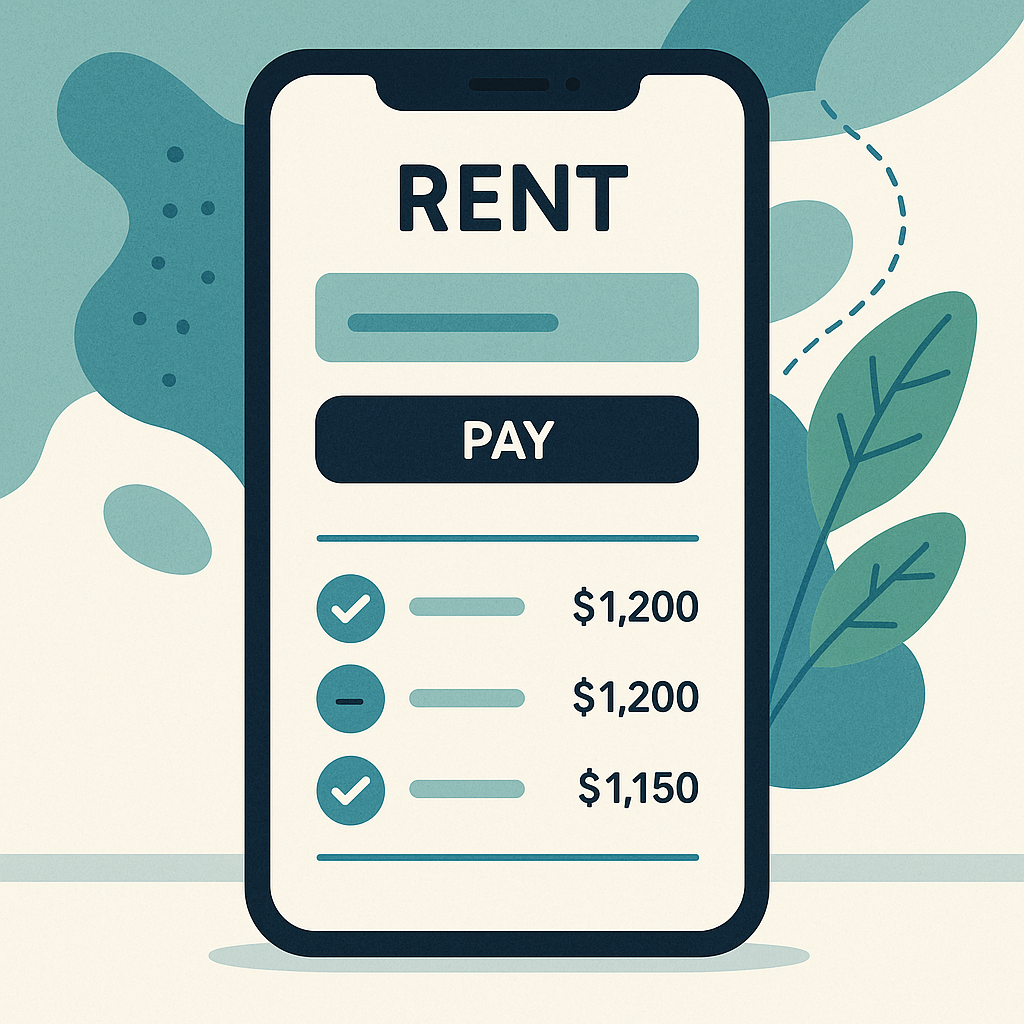
Paying rent online in Canada has transformed from a convenience into a necessity for most households in 2025. What once required writing cheques, scheduling bank visits, or coordinating cash payments has evolved into a streamlined digital experience that benefits both tenants and landlords. The shift toward online rent payment Canada represents more than just technological progress; it reflects a fundamental change in how Canadian renters manage their finances, maintain records, and build trust with their landlords. When you pay rent online Canada today, you're gaining access to faster confirmations, clearer documentation, automatic receipts, and significantly reduced administrative friction that plagued traditional payment methods for decades. The Canadian rental landscape has embraced this transformation rapidly, offering solutions tailored to nearly every situation, whether you're a student, a young professional, a newcomer, or sharing with roommates. Digital rent payment Canada platforms have matured considerably, introducing sophisticated security measures, real-time settlement tracking, and integration capabilities that make managing rent payments almost effortless. Instead of wondering whether your landlord received your cheque, today's solutions provide instant notifications and transparent audit trails that reduce disputes.
This comprehensive guide explores how rent payment solutions Canada work in practice, examines the primary payment methods available, compares the strengths and limitations of each approach, and provides actionable steps to ensure your rent payments are secure, timely, and cost-effective. Whether you're looking to set up your first automated payment or optimize your current rent payment strategy, understanding the full landscape of options available in 2025 will help you make informed decisions that align with your financial priorities and lifestyle.
Introduction
Canada’s rent payment system in 2025 runs on secure financial networks, regulated payment rails and modern digital platforms that focus on reliability, transparency and proper documentation. Tenants and landlords now expect smooth and well-structured transactions, along with clear receipts and easy verification.
Trusted systems like Interac, the Canadian Payments Association and regulated payment processors handle the movement of funds safely behind the scenes. Tenants no longer need to memorize account numbers or rely on manual steps. Platforms can capture simple details like unit numbers and rent amounts and route payments accurately and securely.
This improved setup has changed online rent payments from a basic transfer into a complete financial record for both parties. Landlords value detailed transaction logs for accounting and compliance. Tenants appreciate instant receipts, payment reminders and the ability to schedule rent in advance. As a result, modern rent payment platforms in Canada have become a central hub for the rental relationship, offering clarity, convenience and confidence to everyone involved.
How the Infrastructure Works
The infrastructure supporting how to pay rent online in canada has become remarkably sophisticated, relying on trusted Canadian financial networks like Interac, the Canadian Payments Association, and regulated payment processors. These systems work behind the scenes to move money from tenant to landlord securely and efficiently. Modern solutions no longer require tenants to memorize account numbers; instead, platforms capture essential information like unit numbers and rent amounts, routing funds through secure channels that both parties can verify instantly. This shift has also created new expectations around transparency and record-keeping, as landlords increasingly expect detailed transaction logs while tenants demand clear receipts and payment confirmations. This mutual need for clarity has driven innovation in the rent payment platform canada sector, resulting in solutions that serve as a central hub for the rental relationship. For tenants, this modern environment offers unprecedented control over cash flow management, allowing you to schedule payments, receive instant notifications, view detailed receipts, and dispute transactions with clear documentation.
Primary Payment Methods
Multiple digital methods make it easy to pay rent in Canada. Your ideal choice balances speed, cost, automation, and the documentation your landlord requires.
Interac e-Transfer: The Familiar Standard
Interac e-Transfer remains one of the most common ways to pay rent online in Canada, and for good reason. The system is fast, secure, and supported by virtually every major Canadian bank and credit union, making it universally accessible. Its beauty lies in its simplicity combined with reliable documentation: you initiate the transfer through your banking app, your landlord accepts it, and both parties receive immediate confirmation.
However, direct e-Transfers carry limitations, especially for property managers handling multiple tenants. Each payment requires manual acceptance, creating potential delays and significant reconciliation work. This is where platforms that enhance the native Interac experience become valuable. Solutions like TenantPay add scheduling features, automatic receipts, and detailed audit trails, allowing tenants to track payments easily while giving landlords reliable documentation for accounting and compliance. When supported by an organized platform, features like Autodeposit reduce friction and minimize delays, making the method both efficient and cost-effective for recurring rent.
Pre-Authorized Debit: Automation for Consistency
Pre-Authorized Debit (PAD) and bank-linked services represent a philosophy centered on automation, predictability, and hands-off convenience. When you authorize a platform or landlord to withdraw rent directly from your chequing account on a predetermined schedule, you effectively eliminate the friction of remembering to pay. This method is ideal for tenants with consistent income who value a predictable, automated approach to managing rent. By setting up PAD, tenants can avoid the hassle of manual transfers and potential late fees, while landlords benefit from reliable and timely fund collection.
Modern platforms enhance PAD with features like automatic receipts, detailed transaction logs, and integration with accounting software, creating a seamless experience. Security is a core component, with most platforms requiring micro-deposit verification or secure bank sign-in to guarantee that only authorized accounts are used. The primary limitation of PAD lies in its inflexibility; if your circumstances change, the authorization must be revoked through your bank and the provider, which can involve notice periods.
Credit Card and Debit Card Options
Credit card payments for rent involve weighing convenience and potential rewards against fees. Platforms like TenantPay, alongside other solutions, allow tenants to pay rent by credit card even if their landlord does not accept them directly. This is significant, as most landlords have historically resisted accepting credit cards due to processing fees. By using a specialized platform, tenants gain the ability to use their preferred card while landlords receive funds through more economical channels. Meanwhile, debit card payments offer a practical option for tenants who prefer real-time transactions without the credit element.
Payments are made instantly through a secure rent portal, pulling funds directly from a chequing account and providing immediate confirmation. It is crucial to confirm how the platform codes credit card transactions (as a purchase or cash-like transaction) and what fees apply before committing to this method, especially if you aim to earn rewards.
Comparing Payment Methods: Speed, Cost, and Convenience
Each online rent payment method in Canada offers a different mix of speed, cost, and convenience, so the best choice depends on your priorities. Here’s a breakdown to help you choose the right fit for your lease and cash flow:
- Cost: Interac e-Transfer is often the lowest-cost option for tenants, with many banks offering free or low-fee transfers. In contrast, PAD services may have flat monthly fees, while card-enabled payments typically include a percentage-based convenience fee, often ranging from 2% to 3%.
- Speed: Interac e-Transfers usually settle within minutes to a few hours. Credit and debit card payments through platforms settle within one to two business days. PAD payments are processed on a predetermined date, offering reliability but less spontaneity.
- Convenience: If you are comfortable with banking apps, Interac e-Transfer is straightforward. If you prefer a "set it and forget it" approach, PAD is highly convenient despite its inflexibility. For those looking to maximize credit card rewards, card-based options through platforms offer a distinct advantage, though often at a higher cost.
Match your method to your budget and habits: minimize fees if cost is critical, prioritize automation if you value predictability, or use platforms to gain robust documentation and reminders.
Shared Rental, Security, and Fees
Shared tenancies and digital payments introduce new opportunities for clarity and new considerations around safety and total cost. The right setup can reduce friction among roommates while keeping your information secure and your expenses predictable.
How Shared Rentals and Roommate Situations Work
For shared rentals, managing payments can be a source of friction. The simplest approach often involves one roommate paying the landlord directly and settling up with others internally, but this places a significant administrative burden on one person and creates risk if others don't pay on time. Modern platform solutions eliminate this issue by enabling multiple tenants to contribute to a single rent payment through a unified dashboard.
Each roommate can log into a shared rental account, pay their portion of the rent, and receive an individual receipt. This systemic approach ensures all contributions are tracked, provides a clear audit trail for everyone, and reduces the tension and potential for disputes that can arise in shared living situations. The platform confirms how receipts are issued, ensuring each tenant receives proof of their payment for their records.
Security Considerations for Online Rent Payment
When paying rent online, security should be a paramount concern. Always use a reputable portal or bank channel with encryption, multi-factor authentication, and clear receipts, and stick to established payment rails like Interac, PAD, or regulated card networks. Avoid sending rent via unverified apps, wire transfers, or any method your landlord has not explicitly confirmed. Modern platforms now bundle ID verification, device fingerprinting, and two-factor authentication with instant notifications, making transactions safer than ever.
Two-factor authentication, for example, ensures that even if someone obtains your password, they cannot access your account without your phone. It is also crucial to save all platform receipts, bank confirmations, and reference numbers. This documentation is invaluable for resolving disputes and can provide clear evidence for landlord-tenant board proceedings should a situation escalate.
Managing Fees and Maximizing Cost-Effectiveness
Rent payment fees fall into several categories: network fees charged by the payment infrastructure, platform charges levied by the service provider, and occasional NSF or reversal fees if a payment fails. The total cost varies considerably depending on the method you choose. For most tenants, the lowest-cost option is a direct Interac e-Transfer from their bank, which is often free or costs a nominal amount. PAD through a platform might cost a few dollars per month, while credit card payments could add 2% to 3% to your rent total. To maximize cost-effectiveness, calculate your total annual rent payment cost across different methods. If platform fees provide superior documentation and save you time, the investment may be worthwhile. Conversely, if you can manage with basic e-Transfers and your landlord is flexible, minimizing fees might be the best choice.
With your options in mind, setting up payments the right way ensures reliability from day one and reduces the chance of late fees or disputes.
Setting Up Online Rent Payments: A Practical Walkthrough
Setting up online rent payments in Canada involves a few key steps that vary slightly depending on your chosen method. For a simple Interac e-Transfer, you just need your landlord’s email address. For platform-based solutions, the process requires more initial setup but offers ongoing simplicity.
- Gather necessary information: Collect your unit number, property address, and your landlord's preferred payment method and instructions.
- Choose your payment method: Select the option that best balances cost, convenience, and reliability for your situation.
- Complete account verification: If using a platform, you will need to confirm your identity and link your bank account or card, which may involve micro-deposit verification for PAD.
- Set up a test payment: If possible, make a small initial payment to ensure funds arrive correctly before scheduling automatic payments.
- Save all confirmations: Keep records of all transaction receipts and confirmation numbers in a dedicated folder for future reference.
After your test payment, configure reminders so you never miss a due date, and review your statements monthly to confirm successful processing—small habits that prevent avoidable fees and keep your records complete.
Troubleshooting Common Payment Issues
Even with well-organized systems, payment issues can occur. If a payment fails for any reason, you may see NSF or platform fees and face potential late rent charges, so communicate with your landlord immediately and follow the provider’s reattempt process. NSF errors typically happen due to insufficient funds, and most landlords and platforms allow for retries.
If a payment shows as processed on your end but your landlord claims it never arrived, provide them with the transaction reference number from your platform or bank. Legitimate payment systems maintain records that can definitively prove whether money was moved. In the rare event of a platform outage, monitor your email for notifications and contact support immediately. Reputable providers have protocols for addressing system-caused failures and can reprocess payments or extend deadlines.
The Future of Rent Payment in Canada
Looking ahead, rent payment software canada continues to evolve toward greater integration and faster settlement. Emerging platforms are increasingly embedding rent payment history reporting, allowing tenants to build credit through on-time payments, a significant development for those with limited credit history.
Open banking standards are also slowly enabling more seamless connections between tenant financial accounts and landlord systems, which should further decrease friction and increase transparency. In the immediate future, expect continued platform consolidation and feature expansion, with rent payment solutions merging with property management software, tenant screening services, and landlord accounting tools. This integration simplifies operations for landlords and enhances the tenant experience by providing single-platform access to leases, maintenance requests, and payment records.
Conclusion: Taking Control of Your Rent Payment Strategy
Paying rent online in Canada in 2025 offers an unprecedented opportunity to simplify your financial management, maintain clear records, and build positive rental relationships through transparent, reliable payment practices. Whether you choose Interac e-Transfer for its simplicity and low cost, PAD for its hands-off convenience, or a platform-based solution for its comprehensive features, the key is to select an approach that aligns with your priorities.
Take the time to evaluate your options against your specific situation, considering your income regularity, comfort with technology, cost sensitivity, and your landlord’s requirements. By adopting a consistent and reliable system, you can transform rent from a source of stress into a straightforward transaction you can manage with confidence. Platforms like TenantPay can help streamline these options into one secure dashboard, helping you pay rent on time and track every transaction in one place.
Make rent payments easy, secure and organized with TenantPay.
Frequently Asked Questions (FAQs)
How to Pay Rent Online in Canada?
You can pay rent online through Interac e-Transfer, pre-authorized debit (PAD), credit card via specialized platforms, or debit card through rent portals. Choose the method that best fits your needs and your landlord's requirements.
What Is the Best Way to Pay Rent in Canada?
The best way depends on your priorities. Interac e-Transfer is ideal for low cost and simplicity. PAD is excellent for automation. Platforms like TenantPay offer superior tracking and organizational tools.
Can You Pay Rent With a Credit Card in Canada?
Yes. You can pay rent with a credit card through specialized platforms that process the payment for your landlord, though this usually involves a convenience fee.
How Do Landlords Collect Rent in Canada?
Landlords collect rent via e-Transfers, pre-authorized debit, cheques, and increasingly, through digital platforms that automate collection and reconciliation, especially for multiple properties.
What Are Rent Payment Options in Canada?
Options include Interac e-Transfer, PAD, credit/debit card payments through platforms, traditional cheques, and cash. Digital methods are preferred for their speed, security, and record-keeping.
Is Online Rent Payment Safe in Canada?
Yes, it is safe when using established platforms with security measures like encryption, two-factor authentication, and regulated payment processing to protect your information.
Why Use a Rent Payment App in Canada?
Rent payment apps simplify payment tracking, provide automatic reminders, generate instant receipts, and offer payment flexibility. They are especially useful for splitting rent with roommates.
Can You Pay Rent by E-Transfer in Canada?
Yes. Paying by Interac e-Transfer is one of the most popular methods. It is fast, secure, and supported by all major Canadian banks.
What Are the Benefits of Online Rent Payment?
Key benefits include instant confirmations, automatic receipts, searchable payment histories, reduced administrative work, easier budgeting, and the ability to schedule payments in advance.
What Is the Cheapest Way to Pay Rent in Canada?
The cheapest method is typically a direct Interac e-Transfer from your bank account, which is often free or incurs a minimal fee. PAD is also a low-cost option.