Sign Up Here – New Tenants
Login Here – Existing Tenants
Sign Up Here – New Landlords
Login Here – Existing Landlords



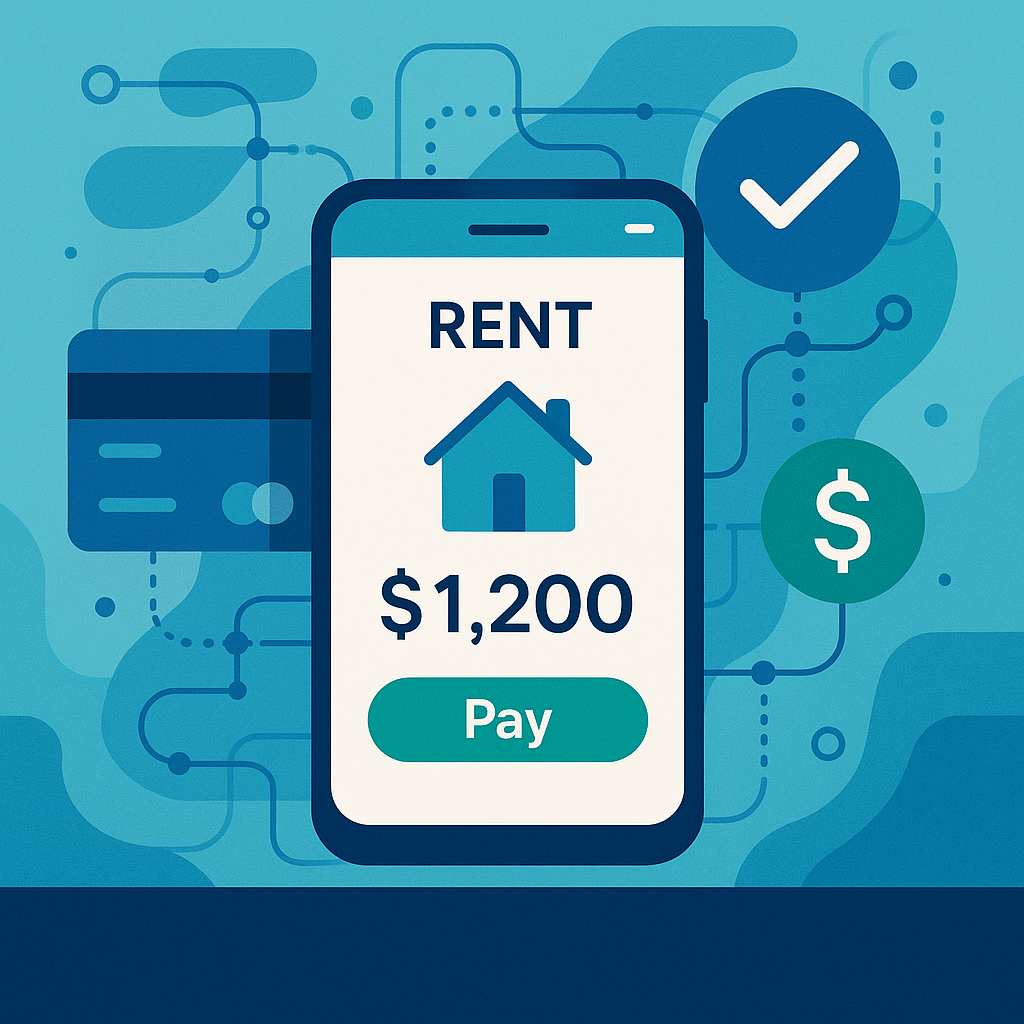
There was a time when paying rent involved the familiar ritual of writing a cheque, making a trip to the bank, or anxiously waiting for a bank transfer to clear. Fortunately, those days are largely behind us. Today, Canadian tenants have access to a rich ecosystem of rent payment apps specifically designed to simplify monthly housing costs, enable automated transactions, and even help build credit history. Whether you're a renter in Toronto, Vancouver, Calgary, or any other Canadian city, the right rent payment app can transform rent day from a recurring stressor into a seamless and easily trackable financial task. The landscape of rent payment solutions in Canada has evolved dramatically, with modern apps offering far more than simple money transfers. They provide instant confirmations, detailed audit trails, automatic receipts, and flexible payment options tailored to diverse financial situations and tenant preferences. This guide explores the best rent payment apps for Canadian tenants in 2026, comparing their features, pricing, security, and real-world usability to help you choose the ideal solution for your lease and lifestyle.
As digital tools reshape how Canadians manage their everyday finances, rent payment apps have become one of the most important innovations for tenants. Instead of relying on cheques, manual e-Transfers, or cash drop-offs, renters can now pay securely through platforms built specifically for the landlord and tenant relationship. These apps streamline the entire process by automating payments, generating receipts, storing records, and connecting directly to Canada's trusted banking networks such as Interac, pre-authorized debit (PAD), and major card systems.
Understanding how these apps work and which payment methods they support helps you choose the best option for your budget, timing, and financial goals. Whether you want the speed of Interac e-Transfer, the predictability of PAD, the flexibility of card payments, or the credit-building power of rent reporting, today's platforms offer far more control and transparency than traditional methods. This guide breaks down the top apps in Canada, the advantages and disadvantages of each payment method, and the key features you should prioritize to make rent day effortless and secure.
Rent payment apps are specialized platforms that fundamentally streamline how tenants send money to landlords or property managers. Instead of depending on traditional methods like paper cheques or manual bank transfers, these applications create a secure digital channel for initiating payments, scheduling recurring transactions, receiving immediate confirmations, and keeping a permanent record of every payment. For many Canadian renters, these apps have become the standard for managing housing costs because they eliminate uncertainty and provide the essential documentation needed for accounting and legal compliance.
The mechanics are straightforward: you download the app, register an account with your banking information and landlord details, choose a payment method, and authorize the transaction. The app then connects to Canada's banking infrastructure, usually via Interac e-Transfer, pre-authorized debit (PAD), or card networks, to move funds from your account to your landlord’s. The platform logs the transaction, generates a receipt, and lets you track your entire payment history in a single dashboard, removing the need to sift through emails or bank statements to verify payments. What makes these apps so valuable for Canadian tenants is their integration with familiar payment systems. Platforms like TenantPay leverage this trusted infrastructure while adding layers of convenience, security, and automation tailored specifically for the landlord-tenant relationship.
When assessing rent payment apps for Canadian tenants, it's crucial to understand the supported payment methods, as they directly impact your flexibility, fees, and transaction speed. Interac e-Transfer is often the most popular choice because it's fast, secure, and supported by every major bank and credit union in the country. Using an app to send an e-Transfer combines the familiarity of your banking app with enhanced features like automatic scheduling and detailed payment history, with funds appearing in the landlord's account almost instantly.
Pre-authorized debit (PAD) is another common option where you authorize the platform to pull funds directly from your bank account on a set date. Its "set it and forget it" nature provides great convenience but may involve monthly fees and requires you to ensure sufficient funds are available. Credit and debit cards offer another layer of flexibility. Apps that support credit card payments, even when landlords don't directly accept them, are valuable for tenants seeking rewards or budgeting flexibility, though these transactions often come with a convenience fee. Debit card payments offer a practical middle ground, pulling funds directly from your chequing account with real-time confirmation but without the high fees associated with credit cards.
With the basics covered, here are the leading platforms and a side-by-side look at method trade-offs so you can align convenience, cost, and speed with your personal priorities.
The Canadian rent app market features several strong contenders, each with unique strengths. Understanding these key players can help you make an informed decision based on your priorities, whether that's cost, convenience, credit building, or payment flexibility.
Choosing the right payment method requires balancing speed, cost, and convenience. Each option offers a different trade-off, and the best choice depends on your personal financial situation and preferences.
Before choosing a platform, confirm its protections and ensure it includes the core capabilities that reduce friction and support your financial goals throughout the lease.
When selecting a rent payment app, security and privacy are non-negotiable. These apps handle sensitive financial and personal information, and any failure to protect this data can expose you to fraud and privacy violations. Leading platforms in Canada use industry-standard encryption, similar to what Canadian banks employ, to protect your data both in transit and at rest. Additionally, privacy compliance is critical.
Reputable apps adhere to federal laws like the Personal Information Protection and Electronic Documents Act (PIPEDA) and relevant provincial regulations, ensuring your data is not sold and is used transparently. Look for a clear privacy policy that aligns with your expectations. Furthermore, Canadian consumer protection laws apply to these transactions, offering dispute resolution mechanisms for unauthorized charges and ensuring that any funds held in escrow are protected, giving you confidence that your money is safe.
Beyond basic payment processing, modern rental apps offer features that can greatly enhance your rental experience. Prioritizing these features will help you select an app that best fits your needs. Automatic payment scheduling is a foundational feature that helps eliminate late payments due to forgetfulness. The ability to set up recurring payments provides peace of mind and helps maintain a positive rental history.
Equally important are detailed payment history and digital receipts, which provide immediate proof of payment and a long-term documented record for resolving potential disputes. For those in shared living situations, multi-tenant support is essential for splitting rent, tracking individual contributions, and preventing confusion. Having flexible payment options, such as a choice between e-Transfer, PAD, and credit cards, is also a significant advantage. Finally, credit reporting integration is an increasingly valuable feature that allows your on-time rent payments to contribute positively to your credit score over time.
Once you pick a platform, a few smart setup steps and ongoing habits will help you pay smoothly, avoid fees, and resolve any hiccups quickly.
Getting started with a rent payment app is generally a straightforward process. It begins with downloading the app or visiting the platform's website to create an account with your email and a secure password. Most platforms require identity verification for security and to comply with anti-money-laundering regulations. Next, you will need to enter your landlord's payment details, including their name and bank account information. Some platforms may already have your landlord in their system, which simplifies this step. After that, you will authorize your preferred payment method, whether it's connecting your bank account for e-Transfers or PAD or entering your card details for credit or debit payments. Finally, you can schedule your first payment by setting the amount and due date, and if possible, enabling automatic recurring payments to ensure you never miss a deadline.
Even with automated systems, a few common pitfalls can lead to issues. To avoid missing payment deadlines, schedule your payments to process a few days before the actual due date to account for any processing delays. Be vigilant about avoiding NSF fees by ensuring your account has sufficient funds before a PAD or debit payment is scheduled to be withdrawn; this is especially important for those with irregular income.
If you live with roommates, ensure you have clear documentation for shared housing, even if the app splits payments. Screenshots or downloaded receipts can prevent future disagreements. Don't overlook credit reporting opportunities if your app offers them, as this is a passive way to build a strong credit history. Lastly, always remember to keep your payment information updated. A new bank account or an expired credit card can cause transactions to fail, leading to late payments and potential damage to your rental history.
Despite your best efforts, you might occasionally encounter a problem. If a payment is declined or has failed, the first step is to check your bank account for sufficient funds and contact your bank to see if the transaction was rejected. If funds were available, the app's customer support can help diagnose the issue, which could be a temporary system glitch or incorrect payment information. If a payment is received late, check the transaction status in the app. If the app confirms the payment was processed but your landlord has not received it, you may need to trace the transaction with your bank.
In the rare case of a missing receipt or payment history, navigate to the app’s history section to find the transaction and save a record. If it’s genuinely missing, contact support for documentation. Finally, any unauthorized charges should be reported immediately to both the platform and your bank’s fraud department to ensure you are protected under Canadian fraud liability laws.
Looking ahead, renters can expect continued innovation alongside clearer, nationally consistent safeguards that keep payments fast, transparent, and compliant.
The Canadian rent payment sector is constantly evolving, with several key trends shaping its future. We are seeing a move towards integration with broader tenant platforms, where rent payment is just one feature of a comprehensive tool that also manages maintenance requests, lease documents, and landlord communication. Expanded credit building features are also becoming more common, recognizing the significant impact that consistent rent payments can have on a tenant's financial history. While still on the periphery, some platforms are exploring cryptocurrency and blockchain for enhanced transparency and speed, though traditional payment methods remain dominant. Finally, regulatory evolution will continue to play a role, as provincial governments refine rules around tenant payment systems to ensure compliance and protection across Canada’s diverse rental landscape.
Digital rent payment apps have transformed the rental experience in Canada by making payments faster, safer, and more transparent than traditional methods. With platforms now supporting multiple payment rails such as Interac e-Transfer, PAD, debit, and credit cards, tenants have more choice and flexibility than ever before. Features like automatic scheduling, detailed receipts, multi-tenant support, and credit reporting provide real value, especially for renters who want predictable payments and clear financial documentation.
Choosing the right app comes down to understanding your priorities. Some renters want the lowest fees, others prefer maximum convenience, and many now value credit-building opportunities. Tools like TenantPay and other leading Canadian platforms cater to different needs, but all share the goal of making rent payments smoother and more reliable.
As digital adoption continues to grow, renters can expect even more innovation and stronger protections across Canada's rental landscape. By selecting a secure platform, setting up smart payment habits, and using features that support your financial goals, you can make rent day one of the simplest parts of your month.
Make your rent payments simple, secure, and stress-free with TenantPay.
Rent payment apps provide a digital platform to authorize payments via your bank, credit card, or pre-authorized debit, automating a process that would otherwise be manual. Unlike writing cheques or initiating individual e-Transfers, these apps schedule and track payments, generate receipts, and create a centralized financial record by securely interfacing with Canadian banking systems.
Yes, many rent payment apps are designed to work with any landlord, regardless of the system they use. The app facilitates a direct transfer of funds to your landlord's designated bank account, meaning your landlord does not need to adopt any new technology to receive your payment.
The best home rental apps typically accept a range of methods, including Interac e-Transfer, pre-authorized debit (PAD), credit cards, and debit cards. The combination of options varies by platform, so it is important to check that an app supports the methods you prefer to use.
Interac e-Transfer is usually the most cost-effective option, often carrying no fees beyond what your bank might charge for the transfer. Pre-authorized debit may have platform fees, while credit card payments almost always include a convenience fee of 2-4%. Debit cards are typically cheaper than credit cards but may have small transaction fees.
Yes, certain apps report on-time rent payments to major credit bureaus in Canada. Over time, a consistent history of on-time payments can meaningfully improve your credit score, which is a significant advantage since rent is often a person's largest monthly expense.
Reputable rent payment apps use industry-standard encryption and adhere to Canadian privacy regulations like PIPEDA to protect your financial data. Furthermore, users are protected by Canadian consumer protection laws, which include provisions for fraud liability, ensuring your transactions are secure.
Many apps are designed for co-living situations and allow multiple tenants to join a single rent payment. The total amount is automatically divided, each person's contribution is tracked separately, and individual receipts are generated, which simplifies rent management in a shared house.
If a payment fails, first check your account for sufficient funds and verify your payment details are correct. Contact the app's support team or your bank to investigate further. If a payment is late for a valid reason, inform your landlord immediately and provide documentation from the app showing the attempted transaction.
Payment methods like Interac e-Transfer and pre-authorized debit are compatible with all major Canadian banks and credit unions. Most leading platforms are designed to support nearly all Canadian financial institutions, but it is always wise to verify compatibility before committing to a service.
Your top priorities should be robust security, fee transparency, and compatibility with your bank and landlord. Also, look for key features like automatic payment scheduling, detailed payment histories, responsive customer support, and, if applicable, multi-tenant and credit-building capabilities.