Sign Up Here – New Tenants
Login Here – Existing Tenants
Sign Up Here – New Landlords
Login Here – Existing Landlords



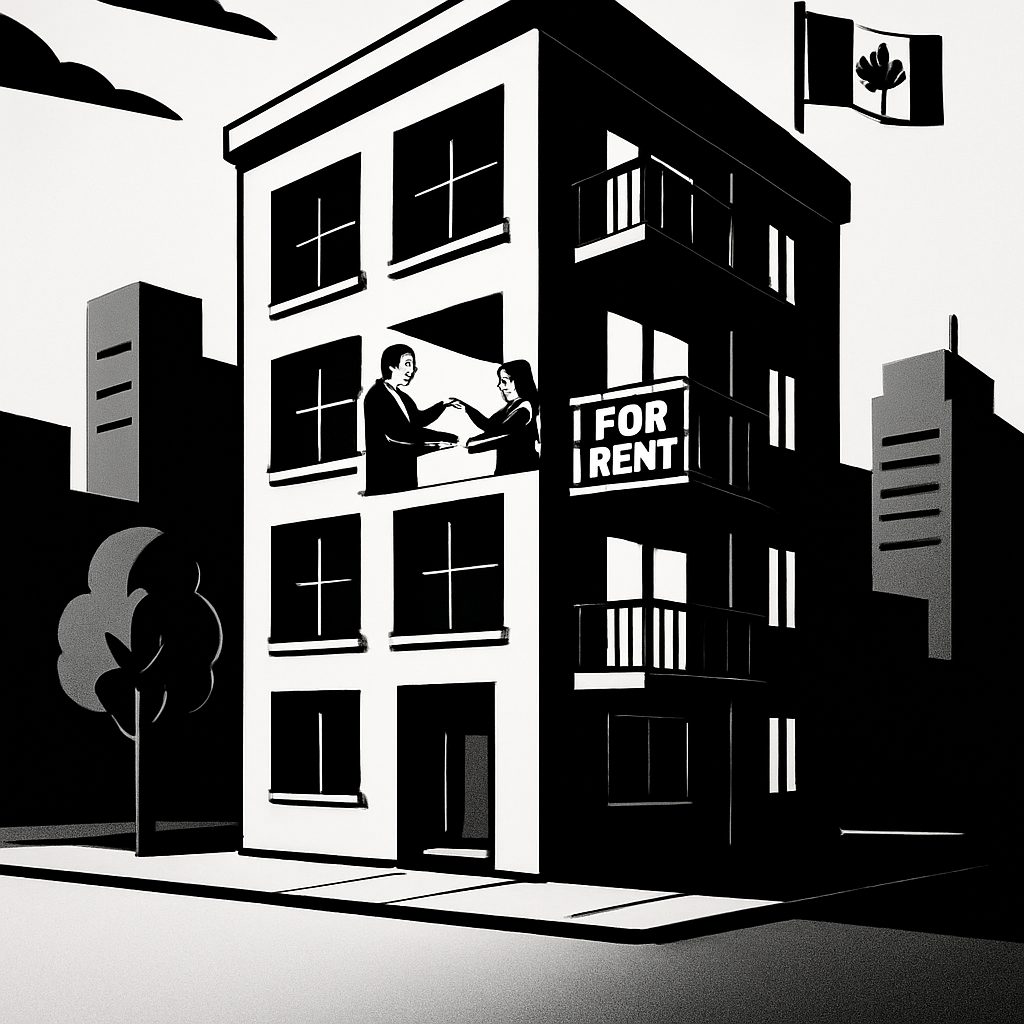
Dealing with a tenant not paying rent is one of the most challenging situations a landlord can face. It's a scenario that directly impacts your cash flow and property's profitability, creating significant stress and uncertainty. However, navigating rent non-payment doesn't have to be a chaotic process. By adopting a professional, informed, and proactive approach, you can manage these situations effectively while respecting the legal framework that governs rental agreements in Canada. Understanding your rights and responsibilities is the first step toward resolving payment issues efficiently and maintaining a healthy landlord-tenant relationship. This guide provides a comprehensive overview for Canadian landlords on how to handle late or missing rent payments, from initial communication to, if necessary, the formal eviction process, all while highlighting modern strategies to prevent these issues from arising in the first place.
Before taking any action, it's crucial for landlords to have a firm grasp of the provincial or territorial laws that regulate landlord and tenant matters. Each province in Canada has its own specific legislation, such as the Residential Tenancies Act, which outlines the precise rules and procedures for handling tenant payment issues. These laws are designed to protect both landlords and tenants, ensuring that any actions taken are fair and legally sound. For instance, the notice periods required, the forms that must be used, and the reasons for which you can evict a tenant are all strictly defined.
Attempting to handle a dispute without adhering to these regulations can lead to your case being dismissed and can create further complications. Familiarizing yourself with the guidelines set by your local governing body, like Ontario's Landlord and Tenant Board, is not just recommended: it is an essential part of being a responsible and effective landlord. This knowledge empowers you to act confidently and correctly when faced with a late rent payment.
The most effective way to handle rent non-payment is to prevent it from happening. Establishing clear expectations and streamlined processes from the very beginning of a tenancy can significantly reduce the likelihood of payment problems. A robust tenant screening process is your first line of defense, as it helps you select reliable renters with a history of timely payments. Your lease agreement should also be meticulously detailed, clearly stating the rent amount, the due date, and any procedures related to late payments as permitted by your provincial laws. Furthermore, embracing modern technology can be a game-changer. Offering convenient online rent payment options makes it easier for tenants to pay on time. Platforms like TenantPay, alongside other solutions, automate the collection process, send reminders, and provide multiple ways to pay, which removes many common barriers to timely payment and helps streamline rent collection.
When a rent payment is missed, your initial response should be measured and professional. Avoid immediate confrontation and instead follow a structured communication protocol. This approach not only maintains a professional relationship but also creates a clear record of your actions, which is vital if the situation escalates. Here are the first steps you should take:
If informal reminders do not resolve the issue, you must move to the formal, legal process for addressing rent non-payment. This process is highly regulated, so it is critical to follow the specific steps laid out by your province's tenancy laws. The first official step is typically serving the tenant with a formal notice to end the tenancy for non-payment of rent. This notice must be on the official form provided by your provincial tenancy board (for example, the N4 in Ontario), and it must clearly state the amount of rent owed and the deadline by which the tenant must pay the full amount to void the notice.
If the tenant fails to pay by the specified date, you can then file an application with the Landlord and Tenant Board to schedule a hearing. At the hearing, an adjudicator will review the evidence from both parties and make a legally binding decision, which could result in an order for payment, a payment plan, or an eviction order. It is crucial to remember that you cannot change the locks or physically remove a tenant yourself; only a court-appointed official can enforce an eviction order. Understanding the legal side of accepting rent online in Canada can also offer clarity. This formal process, while lengthy, ensures that the resolution is legally sound and enforceable, protecting you from potential legal challenges.
While eviction is a necessary tool for landlords, it should always be a last resort. The process can be time-consuming, costly, and stressful for everyone involved. In many cases, exploring alternative solutions can lead to a better outcome, preserving your rental income stream and avoiding the hassle of finding a new tenant. Open and honest communication is the key to finding a mutually agreeable solution. Many tenants who fall behind on rent are facing temporary hardships and are willing to work with you to get back on track. Consider these alternatives before proceeding with eviction:
Modern rent payment solutions offer comprehensive features that go beyond simple transactions. Platforms such as TenantPay are designed specifically for tenants and provide robust tools For Landlords to manage their properties more effectively. With features like automated rent reminders, detailed payment tracking, and digital communication logs, landlords can maintain clear and consistent records of all financial interactions. This technology not only helps in preventing disputes but also provides invaluable, organized evidence if a dispute needs to be resolved through legal channels. By centralizing tenant payment information, landlords can save significant administrative time and reduce the stress associated with chasing late payments. For more information, you can check our pricing, learn more About TenantPay, or contact us directly.
Navigating tenant rent payment issues is an inherent part of being a landlord, but it doesn't have to undermine your business. The key to successful management lies in a blend of proactive prevention, clear communication, and a thorough understanding of Canada's legal landscape. By carefully screening tenants, creating ironclad lease agreements, and leveraging technology to make payments seamless, you can significantly reduce the frequency of late or missed rent. When issues do arise, approaching the situation with a calm, documented, and legally compliant process will always yield the best results. Remember that eviction is a final step, and exploring alternatives like payment plans or mediation can often provide a more favorable outcome for both you and your tenant. By staying informed and professional, you can protect your investment and maintain positive landlord-tenant relationships.
Make rent collection simpler and more reliable with TenantPay.
The first step is to send a friendly but formal written reminder. This creates a record of communication and often resolves the issue without further escalation, as it may have been a simple oversight.
The notice period varies by province. For example, in Ontario, you must provide a 14-day notice for tenants who pay rent by the month or year. Always check your specific provincial regulations for the correct notice period.
This depends on your province. Some provinces, like British Columbia, allow landlords to charge late fees if it's included in the tenancy agreement, while others, like Ontario, prohibit them. It is essential to consult your local laws.
A payment plan is a written agreement that allows a tenant to pay back their overdue rent over a set period. Offering one can be a great way to help a reliable tenant through a temporary financial issue and avoid the eviction process.
You must first serve the tenant with an N4: Notice to End your Tenancy Early for Non-payment of Rent. If they do not pay within the specified timeframe, you can file an L1 application with the Landlord and Tenant Board to schedule a hearing.
Your primary obligation is to follow the legal process outlined in your province's Residential Tenancies Act. This includes using official forms, providing the correct notice period, and not taking matters into your own hands, such as changing the locks.
This varies by province. In some provinces, you can apply to keep the security deposit for unpaid rent at the end of the tenancy. In Ontario, landlords can only collect a rent deposit for the last month's rent, which can be used for that specific purpose.
Online platforms like TenantPay help by automating reminders, offering multiple payment methods (credit card, bank transfer), providing tenants with a clear payment history, and allowing for easy setup of recurring payments, all of which reduce the chances of missed payments.
Tenants can access various resources, including provincial rent banks, emergency financial assistance programs, and non-profit credit counseling services. Directing tenants to these resources can help them find the support they need.
Keep a dedicated file for each tenant containing copies of the lease, all written communication (emails, letters), dates and notes from conversations, and a clear ledger of payments made and missed. Digital platforms can automate much of this for you.