Sign Up Here – New Tenants
Login Here – Existing Tenants
Sign Up Here – New Landlords
Login Here – Existing Landlords



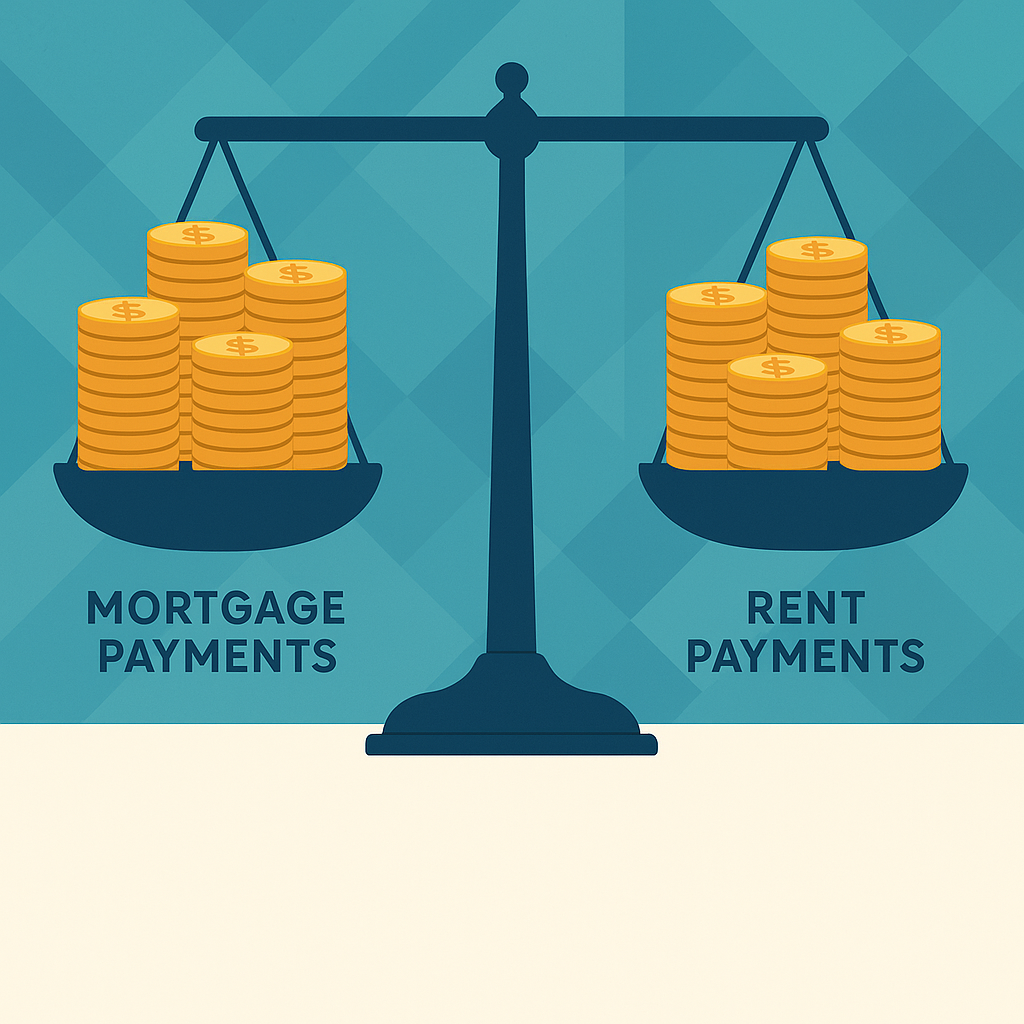
For decades, Canadian renters faced a peculiar financial injustice. While homeowners could steadily improve their credit scores by making mortgage payments, renters saw no such benefit from their largest monthly expense. A tenant paying rent consistently and on time received zero credit for their responsible financial behaviour, while a homeowner making equivalent mortgage payments built their creditworthiness month after month. This disparity created a structural disadvantage for renters, especially those with limited credit histories or newcomers trying to establish financial credibility. Fortunately, the landscape has shifted dramatically. The emergence of rent credit reporting services finally allows tenants to leverage their most significant financial obligation to build a stronger credit profile. This represents a transformative development, offering a pathway to build credit through an expense most tenants already manage responsibly. Understanding how this system works, who can benefit, and how to access it is essential knowledge for anyone seeking to improve their financial standing in Canada.
Rent matters more than ever. For many renters, timely rent payments are the single largest monthly financial commitment and yet, until recently, they rarely helped build credit. New rent reporting services and automated payment platforms are changing that. This guide explains how rent reporting works in Canada, who benefits most, the services available today, and how landlords and tenants can use rent reporting as part of a broader credit strategy.
To fully appreciate the significance of rent credit reporting, it’s important to understand why this gap existed in the first place. Traditional credit scoring models evolved around formal lending products: credit cards, mortgages, car loans, and lines of credit. These products generate documented transaction records that credit bureaus could easily track and incorporate into scoring algorithms. Rent, by contrast, has historically been a private arrangement between a landlord and tenant, without centralized reporting mechanisms.
This exclusion meant that millions of Canadian renters, particularly young adults, newcomers, and those rebuilding their credit, remained invisible to credit scoring systems despite demonstrating financial responsibility. A tenant with a spotless ten-year payment history could have a poor credit score if they had limited interaction with traditional credit products. This fundamental inequity shaped rental markets, where landlords relied almost exclusively on credit scores as a proxy for tenant reliability, inadvertently penalizing renters who had simply avoided debt-based credit products.
Rent credit reporting has fundamentally changed this dynamic. The process empowers landlords to voluntarily report their tenants' payment histories to specialized agencies, which then transmit this data to major credit bureaus. In Canada, a prominent player in this space is the Landlord Credit Bureau (LCB), an organization that partners directly with Equifax to ensure rent payment information reaches tenants' credit files. The mechanics are straightforward: when a landlord registers with a rent reporting service, they begin submitting tenant payment data, recording whether rent was paid on time, partially, or missed. This information is then compiled and reported to Equifax, where it appears on the tenant's credit report as a tradeline. For tenants, this means their consistent, timely rent payments finally become visible to creditors and lenders.
The process includes a crucial safeguard: when landlords report a tenant's information, the tenant receives an email notification to review their record. This transparency allows renters to verify the accuracy of their payment history and request corrections if needed.
The connection between rent reporting and credit score improvement lies in how credit bureaus weigh different components of your credit profile. Your credit score is not determined by a single factor but by a complex calculation incorporating multiple elements. When rent payments are reported to Equifax, your on-time payments directly strengthen the most crucial component, payment history, which accounts for 35% of your overall rating. For someone without a long history of credit card or loan payments, rent reporting can provide substantial documentation of responsible financial behaviour. Beyond this, rent reporting also positively influences other key areas of your credit score.
Together, these components influenced by rent reporting represent a significant portion of your credit score calculation. This means rent reporting doesn't just provide a modest boost; it can fundamentally reshape how your credit profile appears to potential creditors and lenders, making it a powerful tool for financial advancement.
While rent credit reporting offers value to virtually any tenant, certain groups experience particularly significant benefits. New-to-credit consumers, such as young adults, gain an immediate advantage by establishing a payment history without needing to take on debt. Newcomers to Canada also benefit disproportionately, as it allows them to demonstrate financial responsibility in their new country, breaking the frustrating cycle of needing credit to get established.
Individuals rebuilding their credit after past financial challenges also see meaningful gains from rent reporting. Regular on-time rent payments help counterbalance older negative marks and show lenders a clear pattern of improvement. Even renters who avoid using credit cards or loans benefit, since rent reporting gives them a way to demonstrate consistent financial behaviour without taking on new debt. For these groups, rent reporting turns an essential monthly expense into a reliable tool for strengthening their financial profile.
Individuals rebuilding their credit after past financial difficulties often see the strongest impact. Consistent on-time rent payments help offset older negative marks and show a clear pattern of financial recovery.
Renters who avoid credit cards or loans also benefit. Even if they manage their money well, they often have a “thin” credit file. Rent reporting finally gives them a way to show responsible behaviour without taking on debt.
Newcomers and young adults are another high-impact group. Since they start with little or no Canadian credit history, rent reporting helps them establish credibility quickly through payments they already make each month.
The rent reporting landscape in Canada has expanded, offering multiple pathways for reporting rent. TenantPay, alongside other solutions like the Landlord Credit Bureau (LCB), provides platforms for landlord-initiated reporting. With these services, a landlord enrolls and submits tenant payment data, which then flows to Equifax. This approach integrates rent reporting directly into the property management workflow. Alternatively, Borrowell offers a Rent Advantage program that allows tenants to report their rent payments independently for a small monthly fee, without requiring landlord participation.
This is especially valuable for tenants whose landlords have not adopted a formal reporting system. Both options achieve the same fundamental outcome: getting your rent payments reported to Equifax. The best choice depends on your landlord's willingness to participate and your preference for control over the process.
Despite its significant advantages, rent reporting has important limitations. The most fundamental restriction is that rent is currently only reported to Equifax, one of Canada's two primary credit bureaus. TransUnion does not currently accept rent payment data, so your improved Equifax score may not be visible to lenders who exclusively use TransUnion. Additionally, these services are not available in Quebec due to provincial privacy regulations. It's also crucial to understand that relying solely on rent payments is not optimal. Credit scoring models reward a diverse credit mix, so rent reporting should be one part of a broader credit-building strategy that includes responsible use of other credit products like credit cards or small loans. A comprehensive approach ensures you build a truly robust and credible financial profile.
If your landlord uses TenantPay, you will automatically receive a clear digital payment history each month, making it easier to verify your rent when reporting to Equifax. If you want to leverage your rent payments to build credit, the steps depend on your approach. If your landlord is willing to participate, they can register with a service that reports to the Landlord Credit Bureau. Once your landlord initiates reporting, you'll be invited to create an account and verify your information. If your landlord is not participating, you can take control by signing up for an independent service like Borrowell's Rent Advantage program. This allows you to report your own historical and ongoing rent payments. Whether you go through your landlord or an independent service, it's wise to make it a habit to pay rent online, as this creates a clear digital record of your payments.
Before enrolling in any program, always review the terms of service, privacy policies, and any associated costs to ensure you understand how your data will be handled.
Beyond individual credit-building benefits, rent reporting represents a significant shift in financial equity within Canada's rental market. It allows landlords and property managers to make more informed tenant screening decisions based on verified rental performance rather than just traditional credit scores. This benefits conscientious tenants who can now prove their reliability to prospective landlords, potentially offsetting concerns about limited credit history. At the same time, the system creates accountability, as late or missed payments will negatively impact a tenant's creditworthiness. This two-way system more accurately reflects rental performance and ensures that rent payment behaviour meaningfully affects future housing and credit access, creating a fairer and more transparent market for everyone.
To truly maximize the benefits of rent reporting, it should be part of a comprehensive credit-building plan. For tenants who are new to credit or rebuilding their score, this means simultaneously establishing responsible usage patterns with a credit card, keeping credit utilization low, and avoiding unnecessary hard inquiries. Once you start reporting your rent, the consistency of your payments gains heightened significance. A single missed payment can become a lasting mark on your credit file. For landlords and property managers, implementing rent reporting offers mutual benefits. You gain access to a more sophisticated tenant screening process while offering your reliable tenants a meaningful financial advantage. This positions your rental operation as both modern and tenant-focused, helping you attract and retain higher-quality applicants.
The Canadian rent reporting landscape continues to evolve. While the Equifax partnership currently defines the mainstream approach, future developments may expand reporting to other credit bureaus or introduce new services. As rental markets tighten and credit access becomes increasingly crucial, the normalization of rent reporting may shift from a valuable opportunity to a standard expectation. Landlords who embrace rent reporting early position themselves ahead of this trend, while tenants who leverage the service gain an early advantage in demonstrating their creditworthiness. Staying informed about developments in this space will ensure you can take full advantage of new opportunities as they emerge.
Rent credit reporting in Canada marks a fundamental shift in how rental payments contribute to a person's financial profile. By transforming this major expense into a verifiable credit history, services connected to the Landlord Credit Bureau and independent platforms have addressed a long-standing inequity. For renters, this means years of responsible payment behaviour can finally translate into an improved credit score, leading to better interest rates and greater financial opportunity. For landlords, it provides more sophisticated screening tools and a way to retain great tenants. While the system has limitations, such as being exclusive to Equifax and unavailable in Quebec, it remains a powerful tool. For Canadian renters committed to building financial credibility, reporting rent payments should be a strategic priority. It is a significant and valuable advantage in today's financial landscape.
Start building tenant credit today. Enable rent reporting and automated payments with TenantPay.
You can access your rental history through the Landlord Credit Bureau's website by creating an account, or you can request a copy of your full credit report from Equifax to see how your rent payments are being recorded.
Your landlord can report it for you by enrolling with a service that partners with the Landlord Credit Bureau. Alternatively, you can self-report by signing up for a program like Borrowell's Rent Advantage for a monthly fee.
Yes, landlords can voluntarily register with a service like the Landlord Credit Bureau to report their tenants' monthly payments directly to Equifax, but it is not a mandatory practice.
Yes, many landlords and property managers now use systems linked to the Landlord Credit Bureau to view a potential tenant's verified rental payment record as part of the application process.
Yes, reporting your rent can significantly improve your credit score. It strengthens your payment history (35% of your score), diversifies your credit mix (10%), and can lengthen your average account age (15%).
No, currently rent is only reported to Equifax in Canada. It is not reported to TransUnion, and the service is not available in Quebec.
While requirements vary, many landlords look for scores above 650. However, a strong rental history report can help applicants with lower scores demonstrate their reliability as a tenant.
Absolutely. When your on-time rent payments are reported to a credit bureau, they become part of your official credit history, helping you build a stronger and more diverse credit profile.
No, you do not. Services like Borrowell's Rent Advantage allow you to report your rent payments independently, without any involvement from your landlord.
Rent reporting services include a dispute resolution process. If a landlord reports a payment incorrectly, you will be notified and given the opportunity to review the record and challenge any inaccuracies.